Is moissanite worth buying in 2026? Yes, for many jewelry shoppers, moissanite is an excellent choice. It offers exceptional sparkle, impressive durability, and an affordable alternative to traditional diamonds, making it ideal for engagement rings and everyday jewelry.
Affiliate Disclosure Statement:
This site contains affiliate links to products. We may receive a commission for purchases made through these links at no extra cost to you.
Moissanite has become one of the most popular alternatives to traditional diamonds, but it’s important to understand what makes it different. Moissanite is not a diamond. It is its own gemstone, made from silicon carbide, with distinctive optical properties that give it an especially fiery sparkle. GIA describes moissanite as a hard and durable gemstone with a Mohs hardness of 9.25.
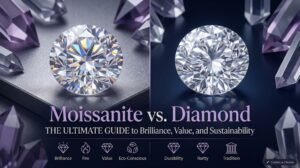
Want to learn more about how these gemstones compare? Explore our complete Moissanite vs. Diamond guide to discover the differences in brilliance, durability, and value.
So, is it actually worth your money in 2026? Let’s take a closer look.
What Is Moissanite and Is It Worth Buying in 2026?
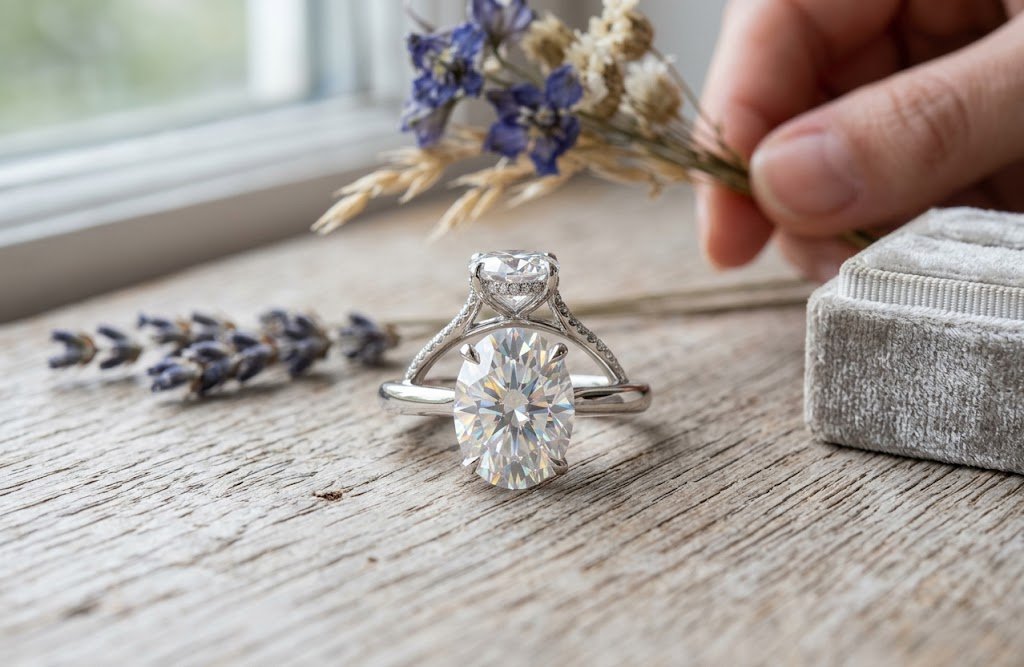
Moissanite is a gemstone that was originally discovered in a meteorite crater in Arizona by French chemist Henri Moissan in 1893. Natural moissanite is extremely rare, so the moissanite used in modern jewelry is laboratory-created.
Modern lab-created moissanite is made from silicon carbide and is carefully cut to maximize its brilliance and fire.
One of the reasons people love it is its incredible sparkle.
Moissanite has a refractive index of approximately 2.65–2.69, compared with about 2.42 for diamond. Its dispersion is also considerably higher, which means moissanite can produce more colorful flashes of light.
That distinctive rainbow-like fire is part of what makes moissanite so eye-catching.
If you’re wondering whether moissanite is worth buying in 2026, its brilliant sparkle, durability, and affordability make it a compelling choice for many jewelry shoppers.
Is Moissanite Worth Buying in 2026 for Everyday Wear?
Absolutely.
One of the biggest advantages of moissanite is its durability. It ranks around 9.25 on the Mohs hardness scale, compared with diamond at 10. This makes moissanite highly resistant to everyday scratching and suitable for jewelry that you plan to wear regularly.
That makes it particularly appealing for:
- Engagement rings
- Wedding bands
- Everyday rings
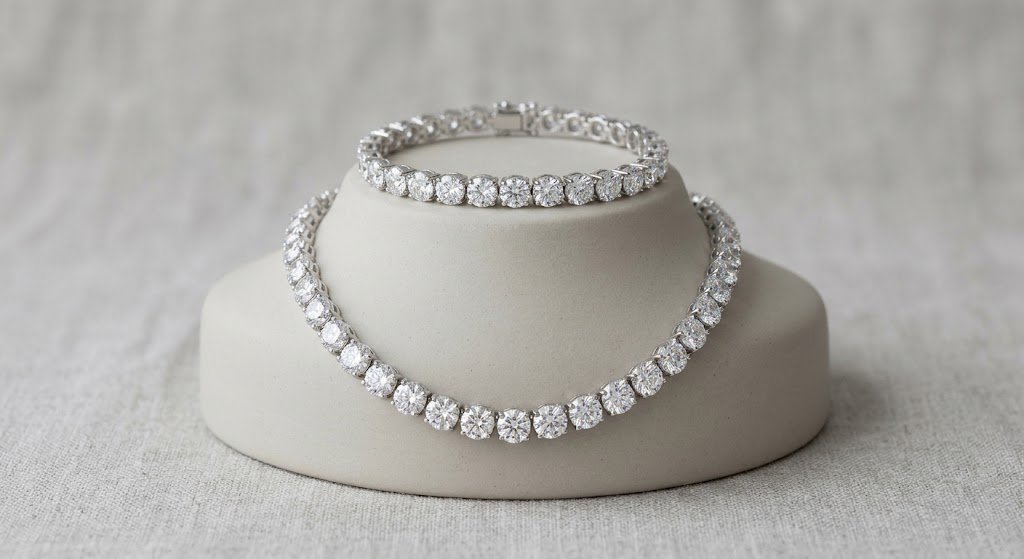
- Tennis bracelets
- Tennis necklaces
- Earrings
- Pendants
While no gemstone is completely indestructible, moissanite is among the hardest gemstones commonly used in jewelry.
Moissanite vs. Diamond: Which Is Better?
This is where things get interesting.
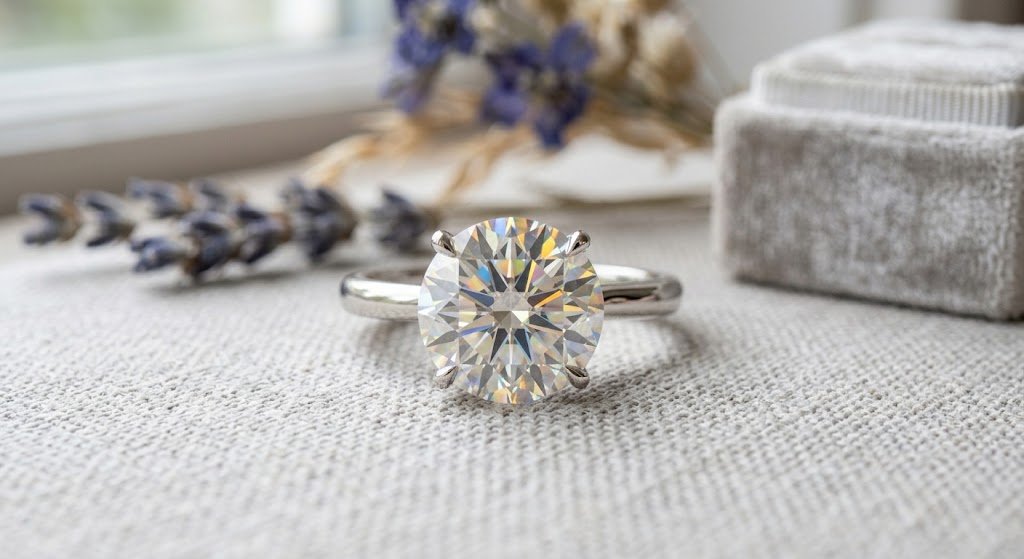
Moissanite and diamond can look similar at first glance, but they are different gemstones with different optical and physical characteristics.
| Feature | Moissanite | Diamond |
|---|---|---|
| Composition | Silicon carbide | Carbon |
| Mohs hardness | About 9.25 | 10 |
| Refractive index | About 2.65–2.69 | About 2.42 |
| Fire | Very high | Lower than moissanite |
| Brilliance | Extremely high | Extremely high |
| Origin | Typically lab-created | Natural or lab-grown |
| Appearance | More colorful flashes | More traditional white sparkle |
GIA notes that moissanite has more than twice the fire of diamond and slightly more brilliance, although larger moissanites can show especially strong rainbow flashes.
This means the choice often comes down to personal preference.
If you love a classic, refined white sparkle, you may prefer diamond.
If you love dramatic flashes of color and intense sparkle, moissanite may be the better choice.
Why Is Moissanite Worth Buying in 2026?
One major reason is value.
Moissanite allows shoppers to choose larger, eye-catching gemstones without necessarily spending the same amount they would on a comparable diamond.
That can make it especially appealing to couples who would rather put their money toward other priorities — such as a honeymoon, home, savings, or simply a larger or more elaborate ring design.
Instead of choosing between size and budget, moissanite gives shoppers another option.
And because moissanite is durable enough for everyday jewelry, choosing it does not mean sacrificing practicality.
Is Moissanite Worth Buying in 2026 Instead of a Diamond?
Moissanite can look remarkably similar to diamond, especially in smaller sizes and certain cuts.
However, it is not identical.
The biggest visual difference is often the fire. Moissanite can produce stronger rainbow-colored flashes because of its higher dispersion. GIA also notes that moissanite is doubly refractive, which can create a slightly different visual appearance from diamond.
Some people love this characteristic because it gives moissanite its own personality.
So rather than asking whether moissanite is a “fake diamond,” it makes more sense to think of it as a different gemstone with its own unique appearance.
Is Moissanite a Good Choice for an Engagement Ring?
For many couples, yes.
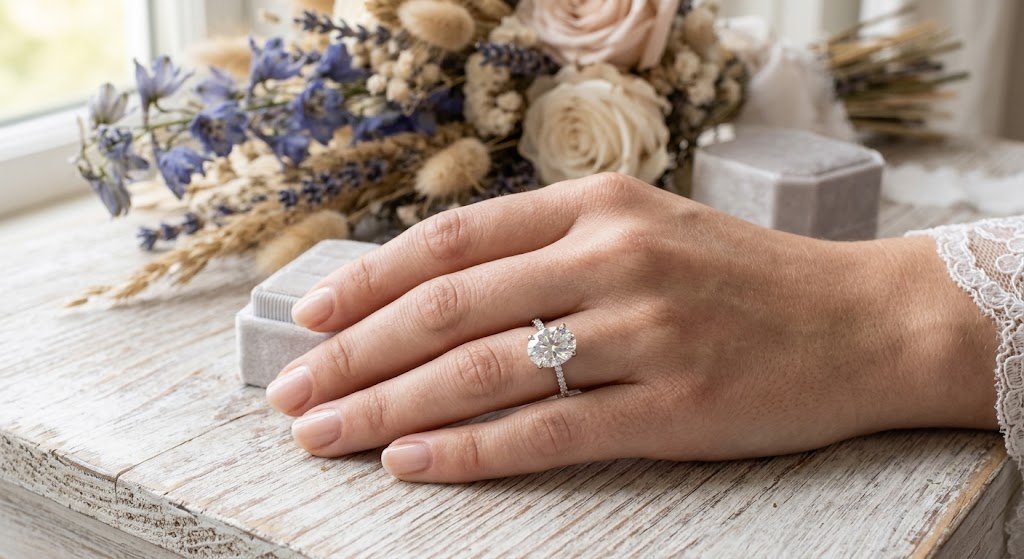
An engagement ring needs to be beautiful, durable, and comfortable enough for everyday wear. Moissanite performs well in all three areas.
Its high hardness makes it suitable for frequent wear, while its intense brilliance gives it plenty of visual impact.
Popular engagement ring shapes include:
- Round brilliant
- Oval
- Cushion
- Pear
- Emerald
- Princess
- Radiant
Round brilliant remains a classic choice, while elongated shapes such as oval and pear can create a larger-looking appearance on the finger.
What Are the Downsides of Moissanite?
Moissanite isn’t perfect for everyone.
The same intense fire that attracts many buyers can be a drawback for someone who wants the subtler sparkle associated with diamond.
Large moissanites can display particularly strong rainbow flashes, sometimes described as a “disco ball” effect.
Another consideration is that moissanite does not have the same identity or market position as diamond.
If owning a natural diamond is personally important to you, moissanite won’t replace that experience.
Similarly, if you’re primarily interested in purchasing jewelry as a financial asset, you should not assume that moissanite will appreciate in value simply because it is beautiful and durable.
The best reason to buy moissanite is because you love the gemstone and what it offers.
How to Choose Moissanite That’s Worth Buying in 2026
If you decide that moissanite is right for you, don’t focus only on size.
Pay attention to:
1. Cut
Cut has a major influence on how beautifully the gemstone interacts with light.
A well-cut moissanite can have exceptional brilliance and fire.
2. Color
Moissanite is available in different color grades. If you want a diamond-like appearance, look for a color grade that gives you the level of whiteness you prefer.
3. Clarity
Most quality moissanite appears very clean to the naked eye. Clarity should still be considered, particularly when shopping for larger stones.
4. Shape
Choose a shape based on your personal style rather than simply following trends.
Round is timeless.
Oval is elegant and elongating.
Emerald is sophisticated and understated.
Cushion is romantic and vintage-inspired.
Pear is distinctive and feminine.
5. Seller Reputation
Buy from a reputable jeweler that clearly explains the gemstone’s characteristics, metal quality, warranty, return policy, and other important details.
Is Moissanite Worth Buying in 2026?
For the right buyer, absolutely.
Moissanite offers an unusual combination of:
Exceptional sparkle + impressive durability + distinctive fire + accessible pricing
For example, this gemstone is especially appealing if you want beautiful jewelry without feeling obligated to choose a traditional diamond.
Furthermore, moissanite isn’t a “cheaper diamond” optical properties, and appearance. GIA identifies synthetic moissanite as a diamond imitation/simulant, while also recognizing its impressive hardness, brilliance, and fire.
Ultimately, the question isn’t whether moissanite is universally better than diamond.
The better question is:
Does moissanite give you the beauty, durability, and style you want at a price you’re comfortable paying?
For millions of jewelry shoppers, the answer is increasingly yes.
Final Verdict
If you’re shopping for jewelry in 2026, moissanite is definitely worth considering.
It’s durable enough for everyday wear, exceptionally brilliant, famous for its colorful fire, and available in a wide variety of shapes and jewelry styles.
Whether you’re looking for an engagement ring, tennis bracelet, necklace, earrings, or an everyday statement piece, moissanite gives you plenty of room to choose a design that fits your personal style.
You don’t have to buy a diamond simply because it’s traditional.
If you love the sparkle and character of moissanite, that’s reason enough to make it your gemstone of choice.
Ready to Upgrade Your Everyday Sparkle?
Explore curated collection of ethical, high-brilliance moissanite jewelry designed for timeless elegance.
Frequently Asked Questions
Does moissanite last a lifetime?
Moissanite is highly durable and has a Mohs hardness of approximately 9.25, making it suitable for everyday wear. With appropriate care, a quality moissanite piece can remain beautiful for many years.
Does moissanite lose its sparkle?
Moissanite does not inherently lose its fire or brilliance with age. However, jewelry can accumulate oils, lotions, and dirt that make any gemstone appear less sparkly. Regular cleaning helps restore its appearance.
Is moissanite better than lab-grown diamond?
Neither is universally better. Lab-grown diamond is chemically diamond and has a hardness of 10, while moissanite is silicon carbide with a hardness around 9.25–9.5. Moissanite generally produces more colorful fire, while lab-grown diamond has the optical characteristics of diamond.
Can you wear moissanite every day?
Yes. Its high hardness and durability make it well suited to everyday jewelry, including engagement rings.
Is moissanite a real gemstone?
Yes. Moissanite is a distinct gemstone composed of silicon carbide. Modern jewelry moissanite is generally lab-created because naturally occurring gem-quality moissanite is extremely rare.